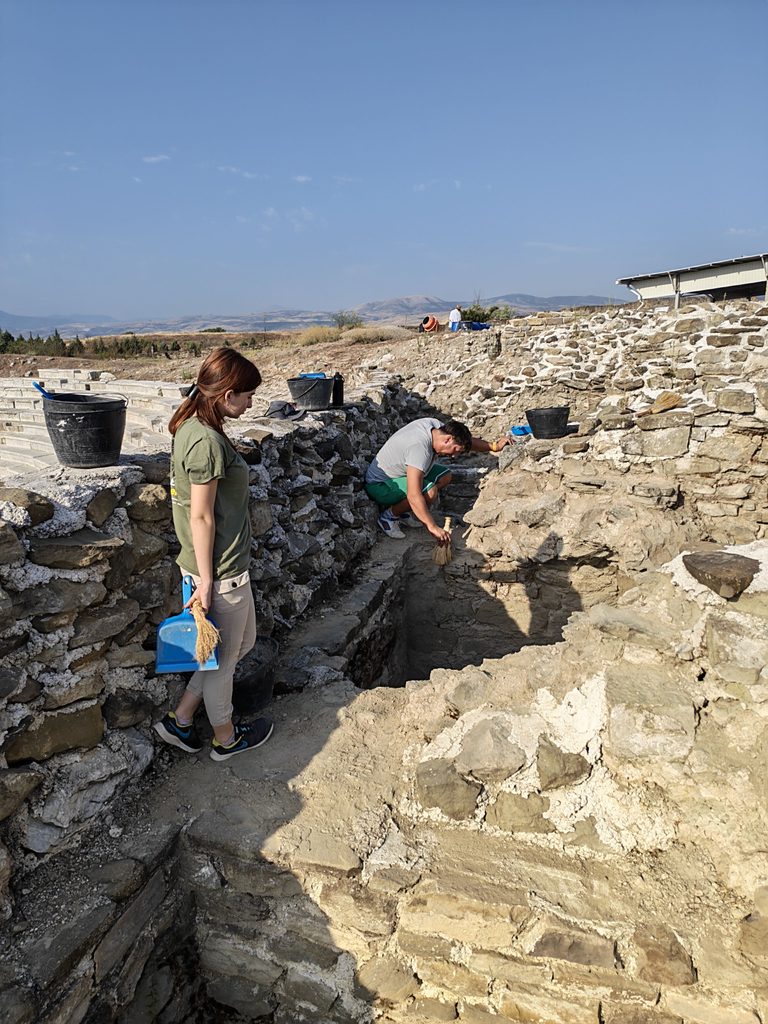
From 31 August to 30 October 2026, the National Institution Stobi carried out the 17th season of archaeological research at the Theatre. The activities were conducted as part of the project “Conservation, Restoration and Further Archaeological Investigations of the Roman Theatre”, which has been continuously funded since 2013 through the Ministry of Culture and Tourism’s Annual Program.
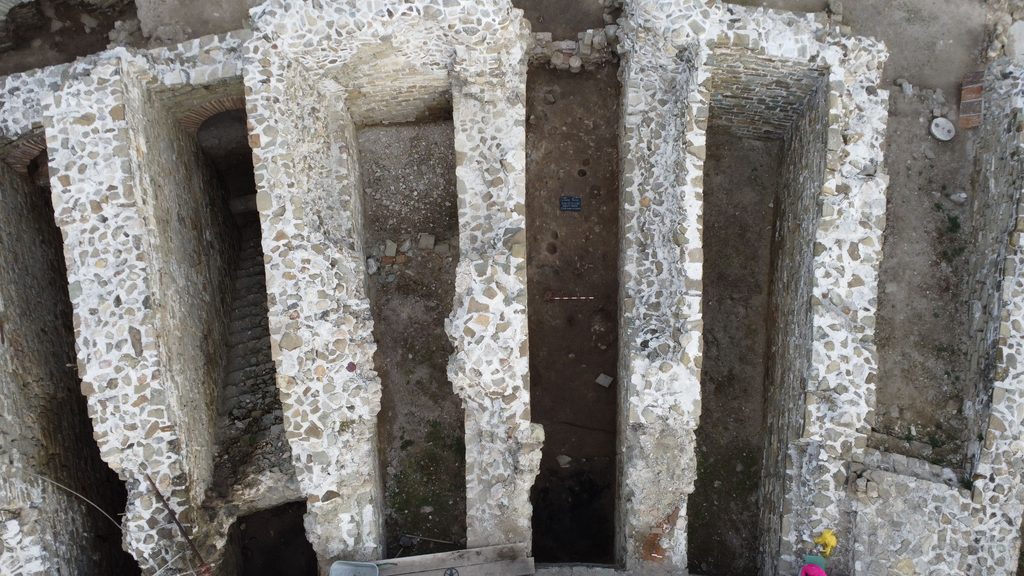
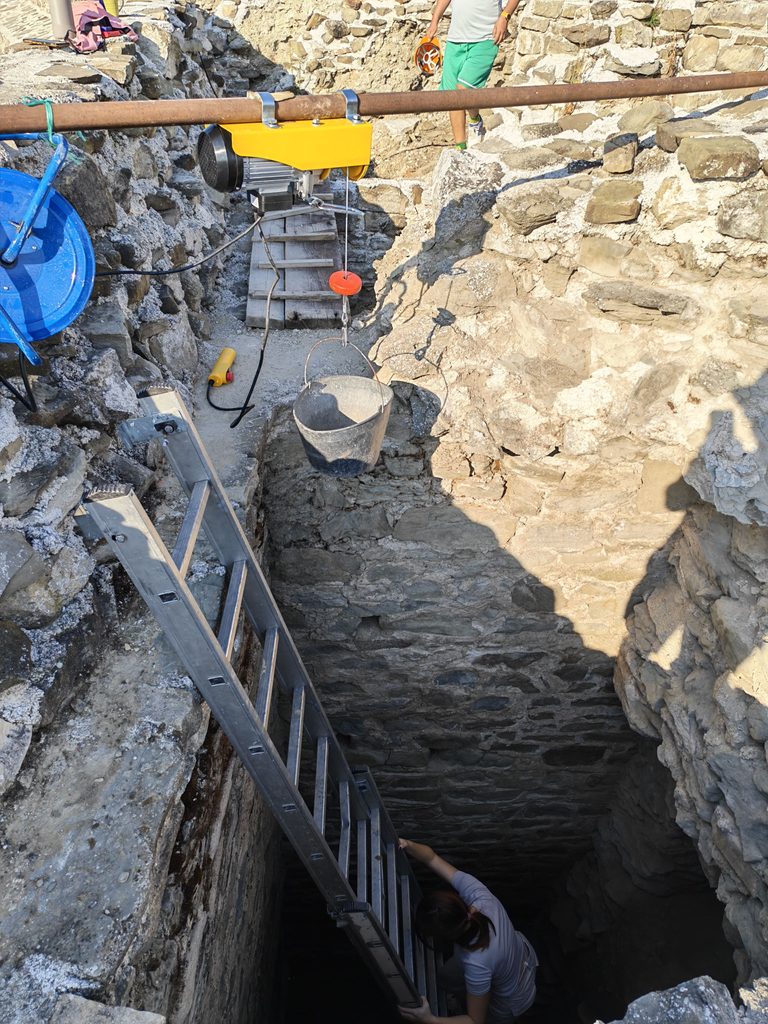
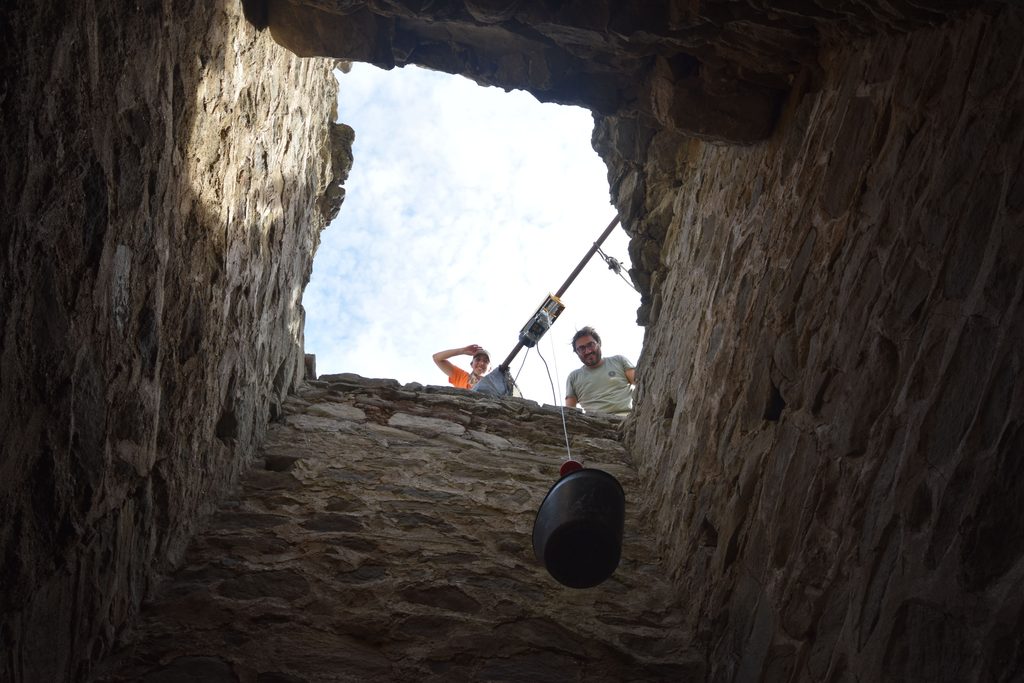
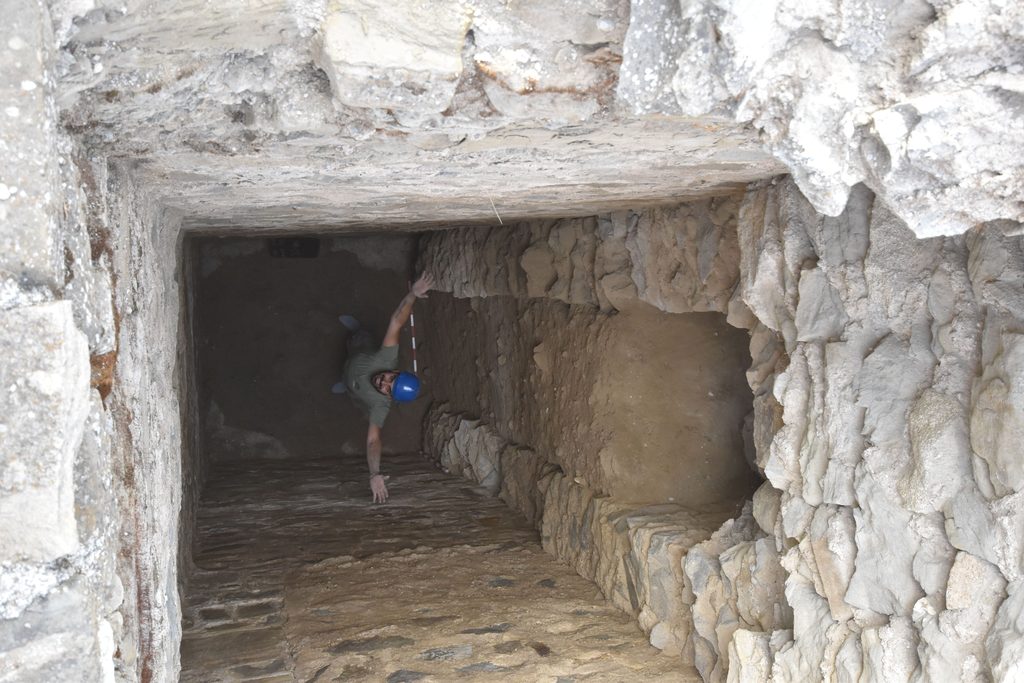
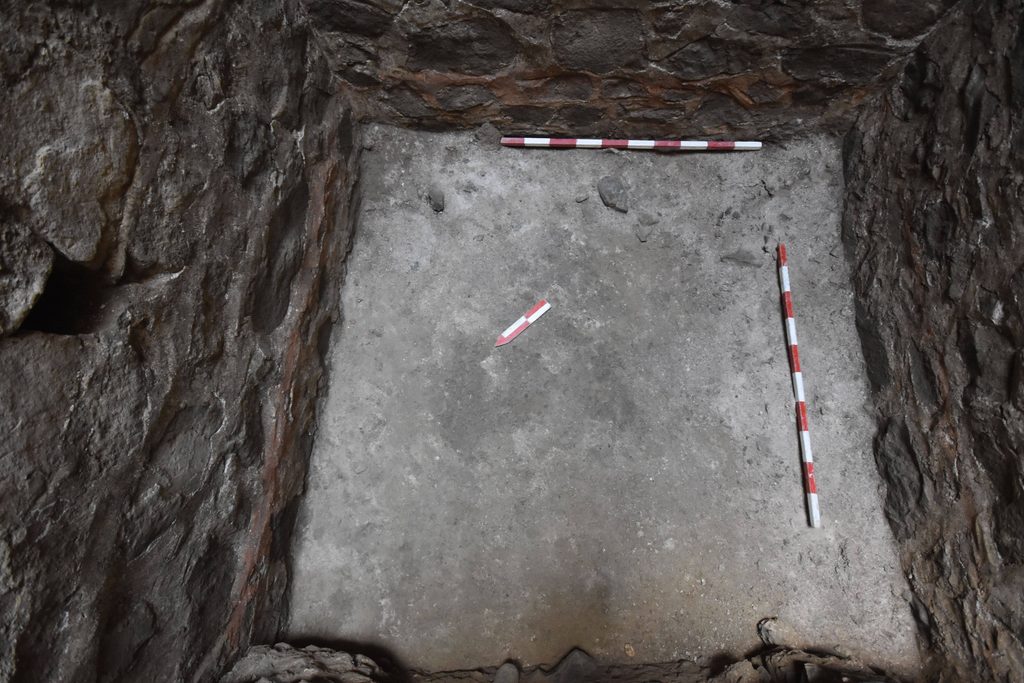
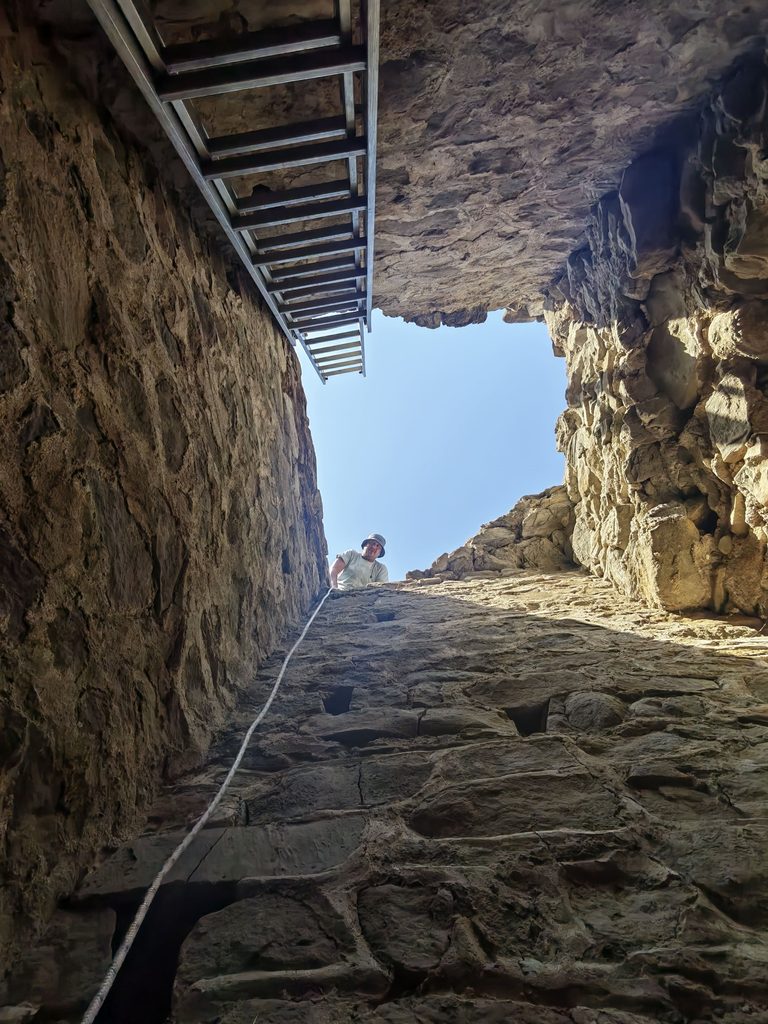
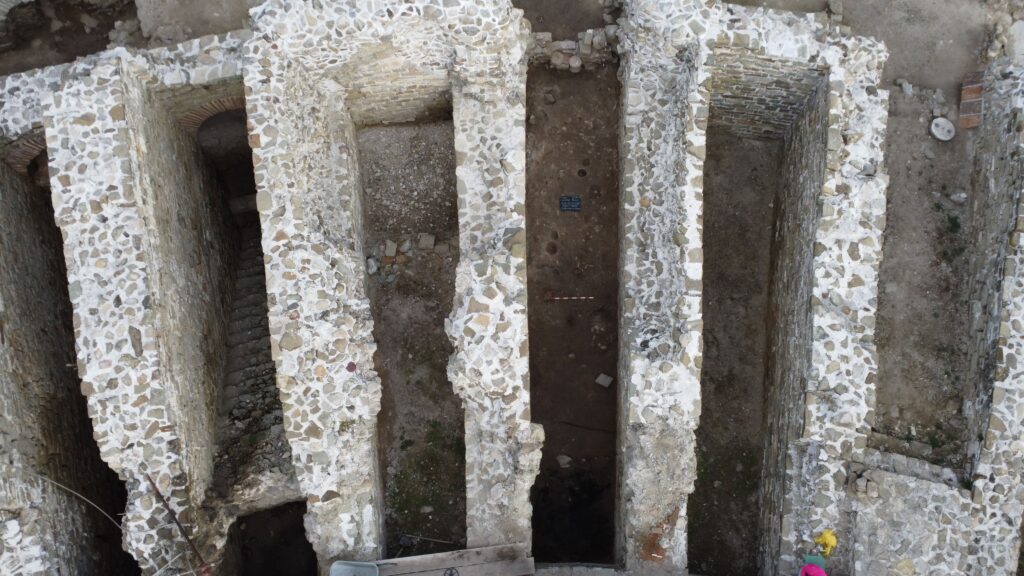
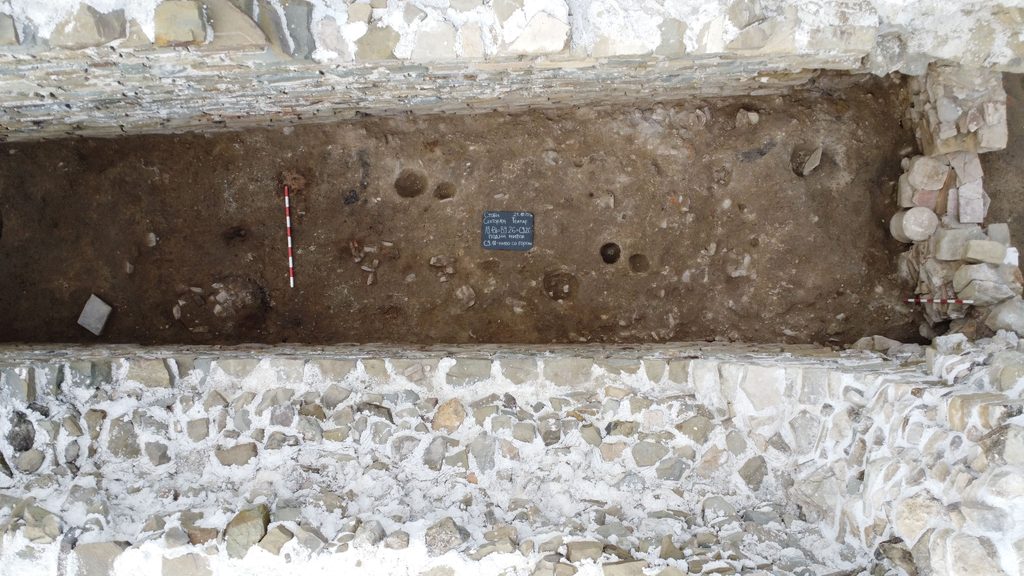
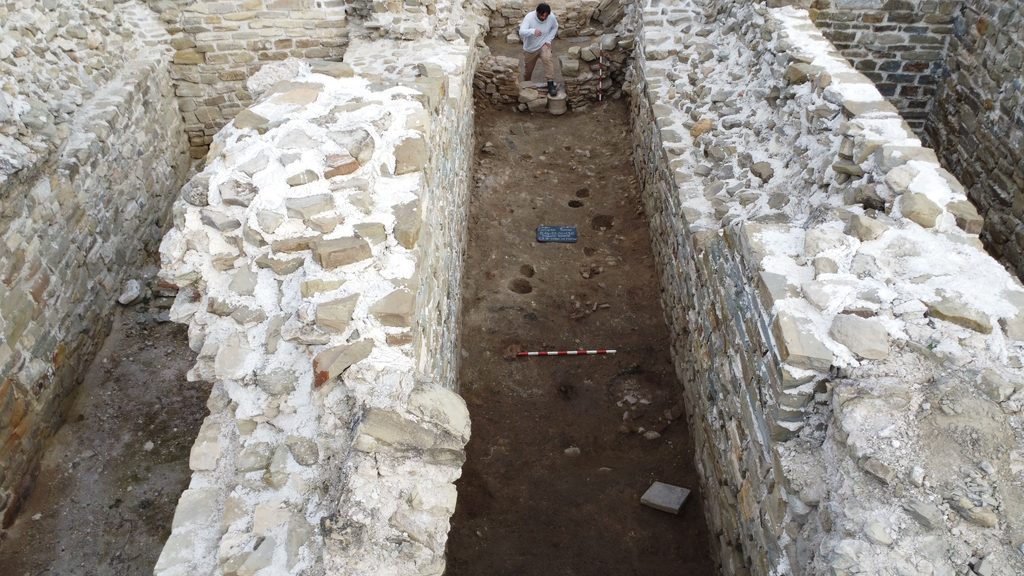
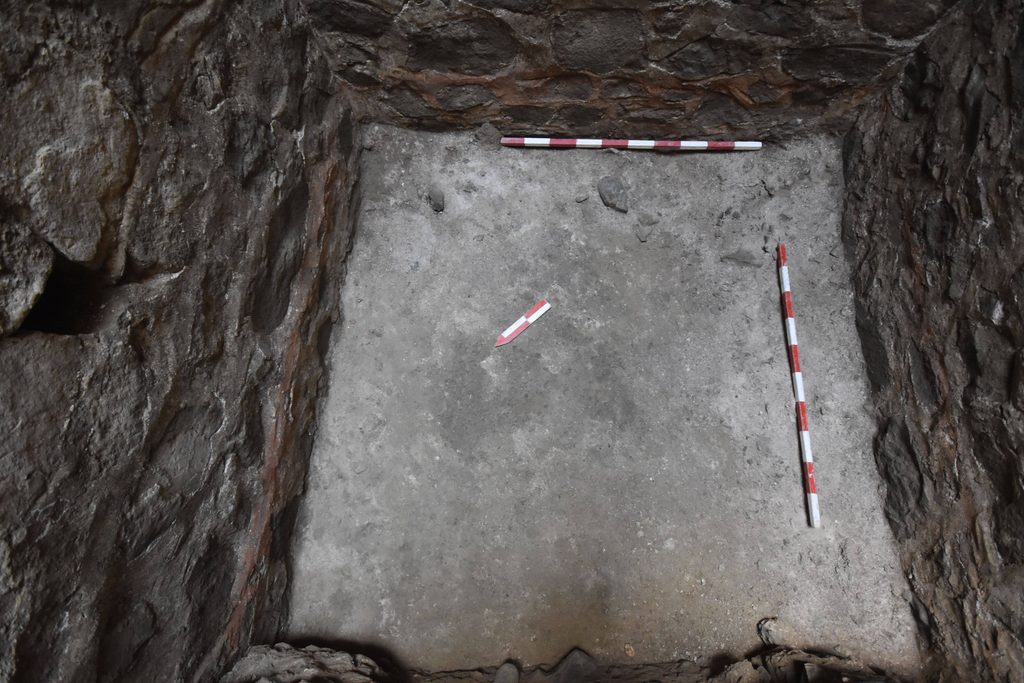
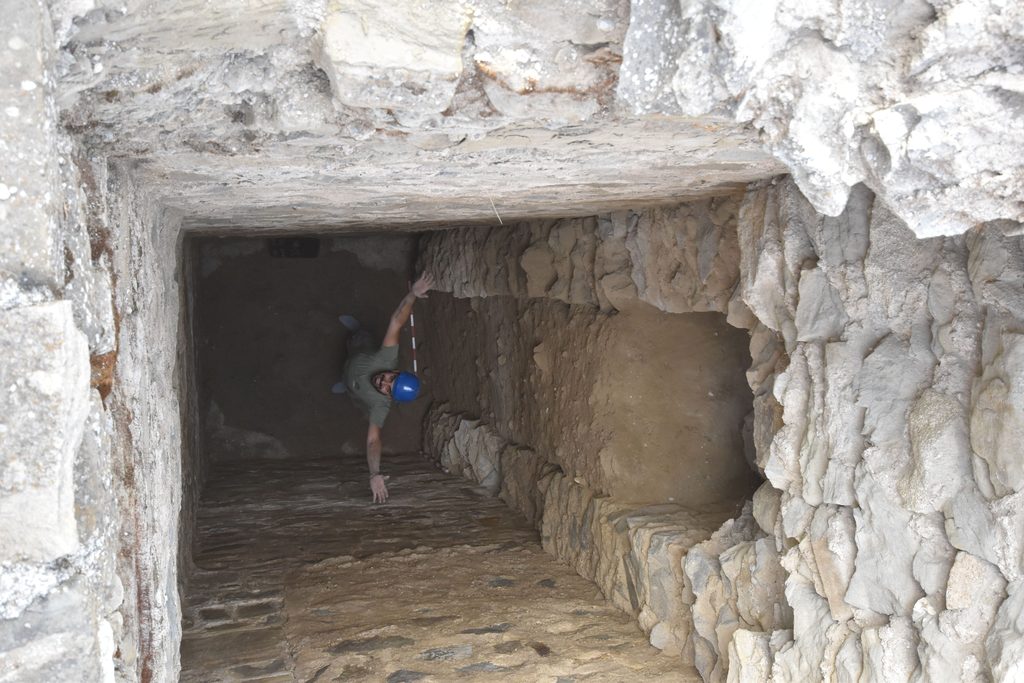
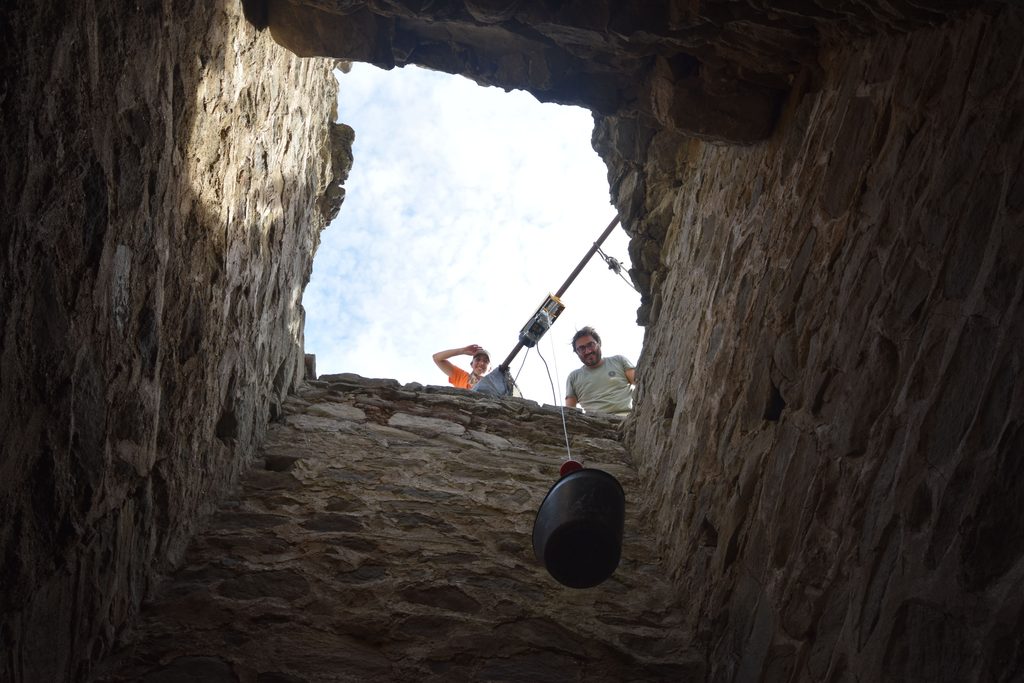
This year’s season was marked by the completion of investigations at the deepest point explored to date, namely the area beneath the diazoma (the passageway dividing the auditorium), between radial walls 21 and 22 in the summa cavea (the upper section of the auditorium). Excavations at this location began in 2019 but were subsequently interrupted due to other project priorities.
With their completion, archaeologists were able to document in detail the construction history of this section of the building. Two levels of construction activity were identified, along with three red lines used as reference markers during construction and approximately five distinct “craftsmen’s signatures”, recognizable by the different techniques used to finish the mortar joints at various elevations. These features are associated with the first two construction phases, dated to the late 1st century and the second quarter of the 2nd century AD.
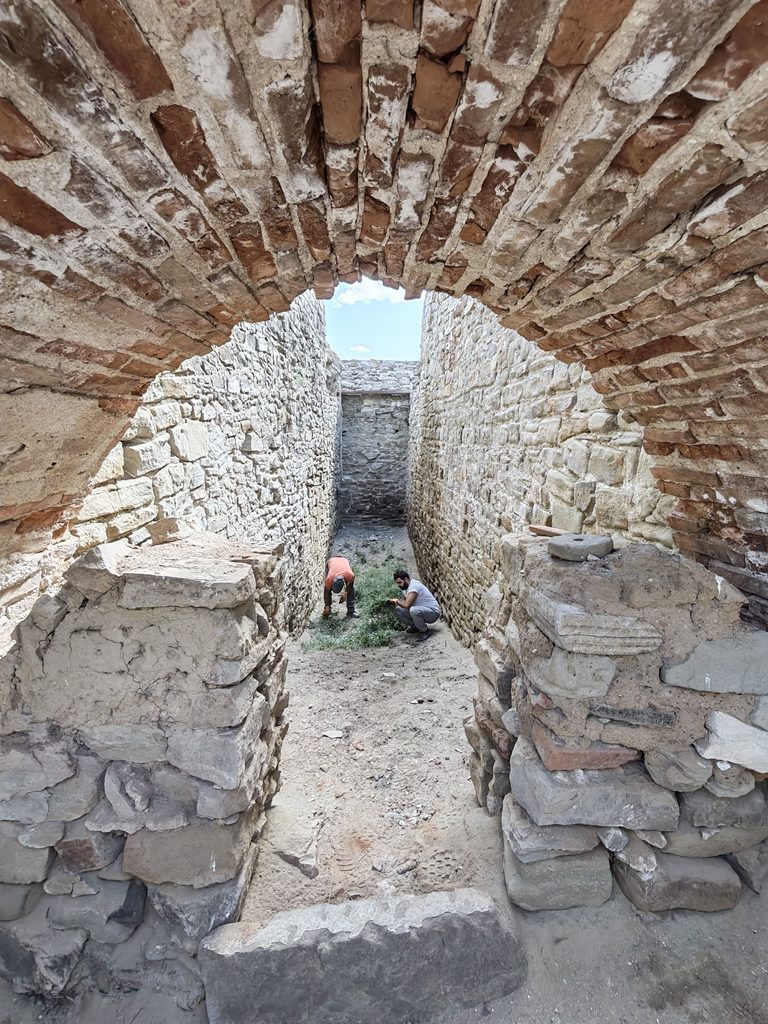
Of particular significance are the new insights into the original organization of audience circulation. The investigations revealed that the first construction phase featured a different system of circulation and access to the auditorium, which was modified during the second phase. A passageway was discovered that had been blocked during the construction of the staircase connecting the outer circumferential corridor with the diazoma.
The maximum documented height of the surviving walls is approximately 8.4 meters, compared to their original height of around 20 meters.
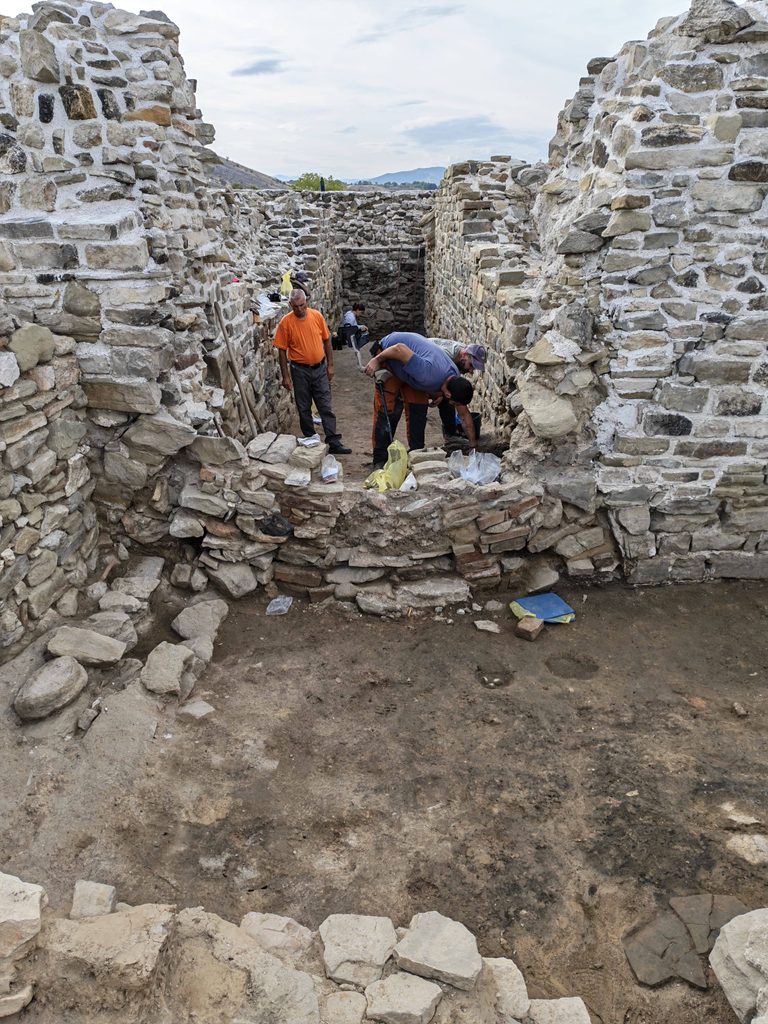
In parallel, archaeological investigations were also conducted in the outer circumferential corridor and in the area between radial walls 23 and 24. At these locations, several compacted-earth floor levels were documented, belonging to Late Antique and medieval dwellings built within the corridors after the Theatre had ceased to serve its original function.
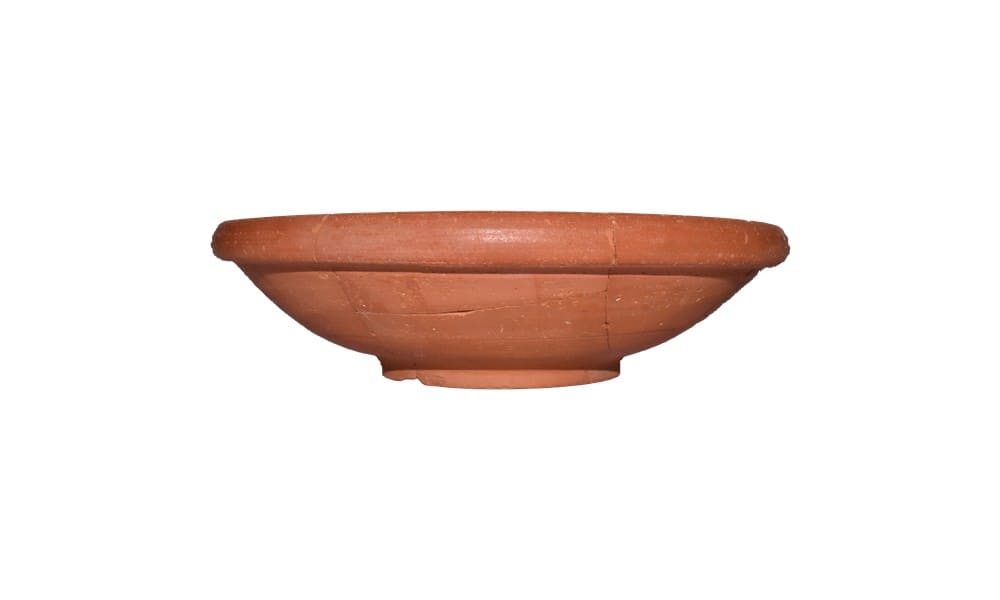
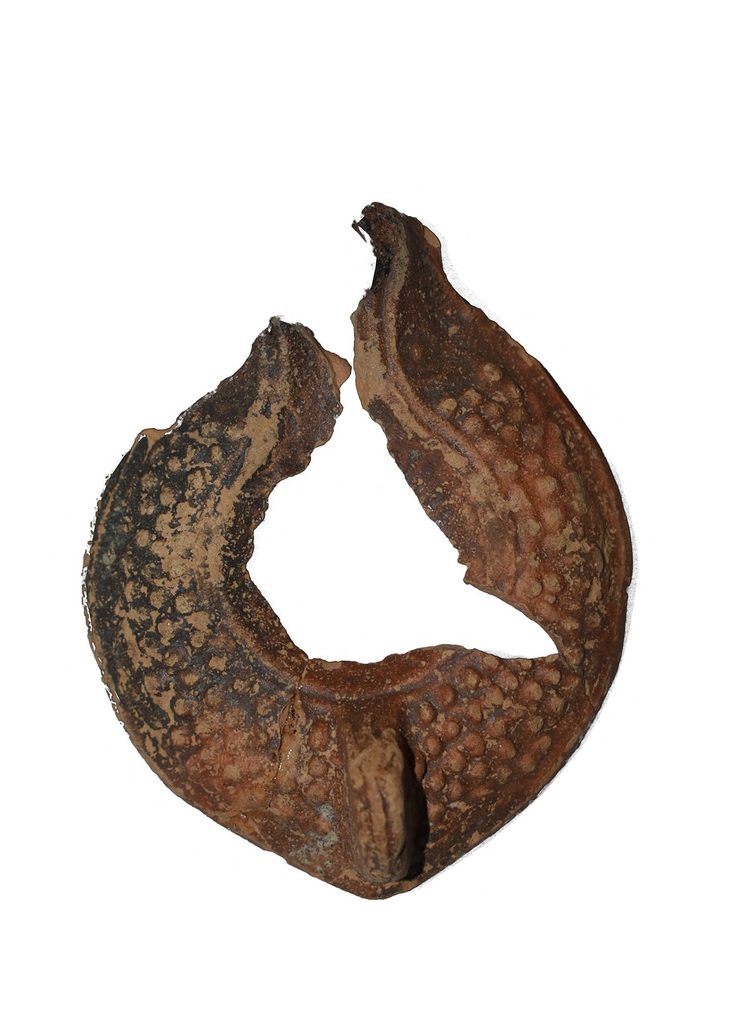
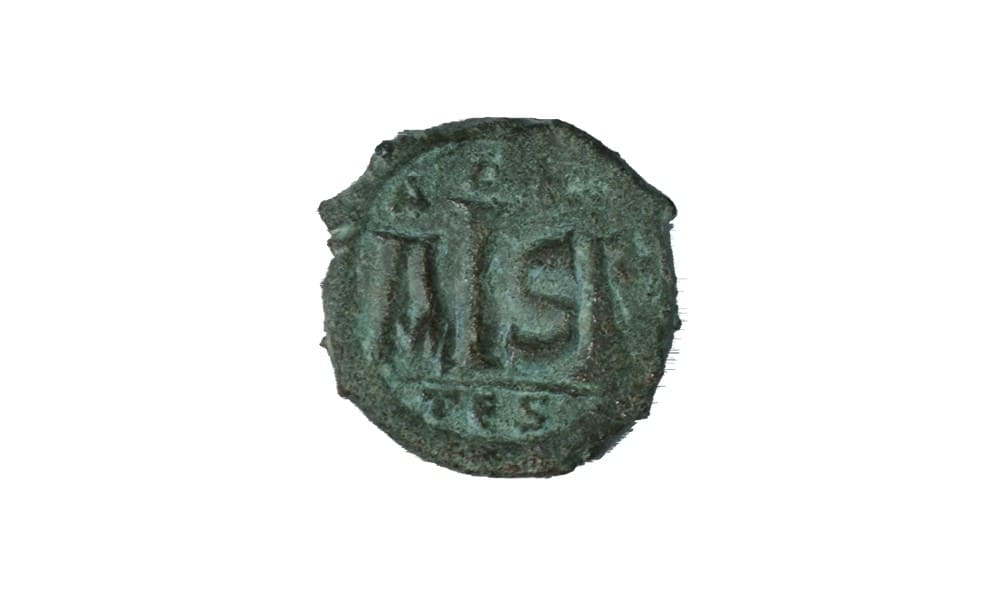
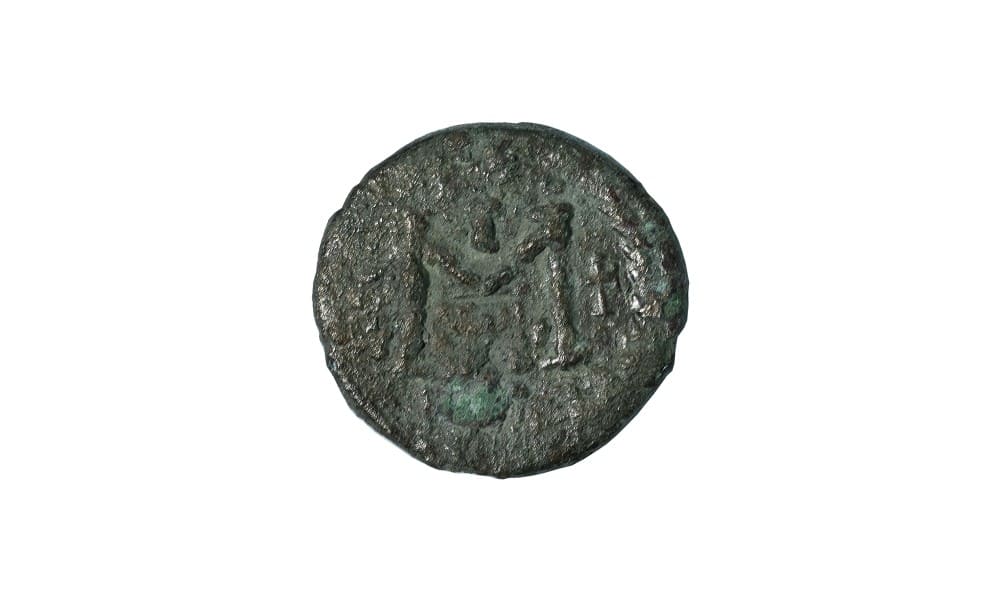
Fragments of ceramic and glass vessels, bronze coins, and bone artifacts were discovered on the floors and within the archaeological layers between them. In addition to pottery vessels used for cooking, two North African plates dating to the 6th and early 7th centuries stand out. They provide important evidence of the use of this space and of Stobi’s trade connections during Late Antiquity.
These discoveries contribute to a better understanding of the Theatre’s architectural development and the changes in the space’s use in the centuries following the end of its original function.
Conservation activities will continue until mid-November 2026, while archaeological research and preservation works on this monumental structure will continue in 2027, as part of the new annual program.
© Copyright - NI Stobi
Powered by Elbosoft Consulting DOOEL
 +389 43 251 026


